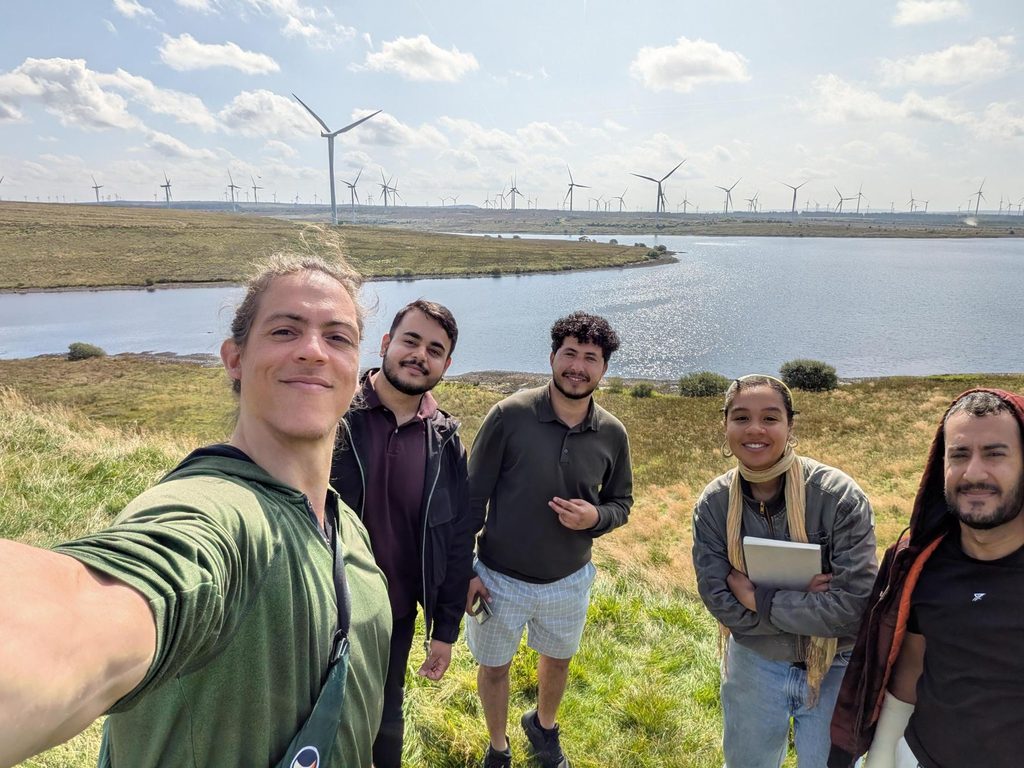
On 24 August, MCAS held its first combined Energy and Nature Connection Immersive Learning trip, bringing both strands of the project together for a visit to Whitelee Windfarm.
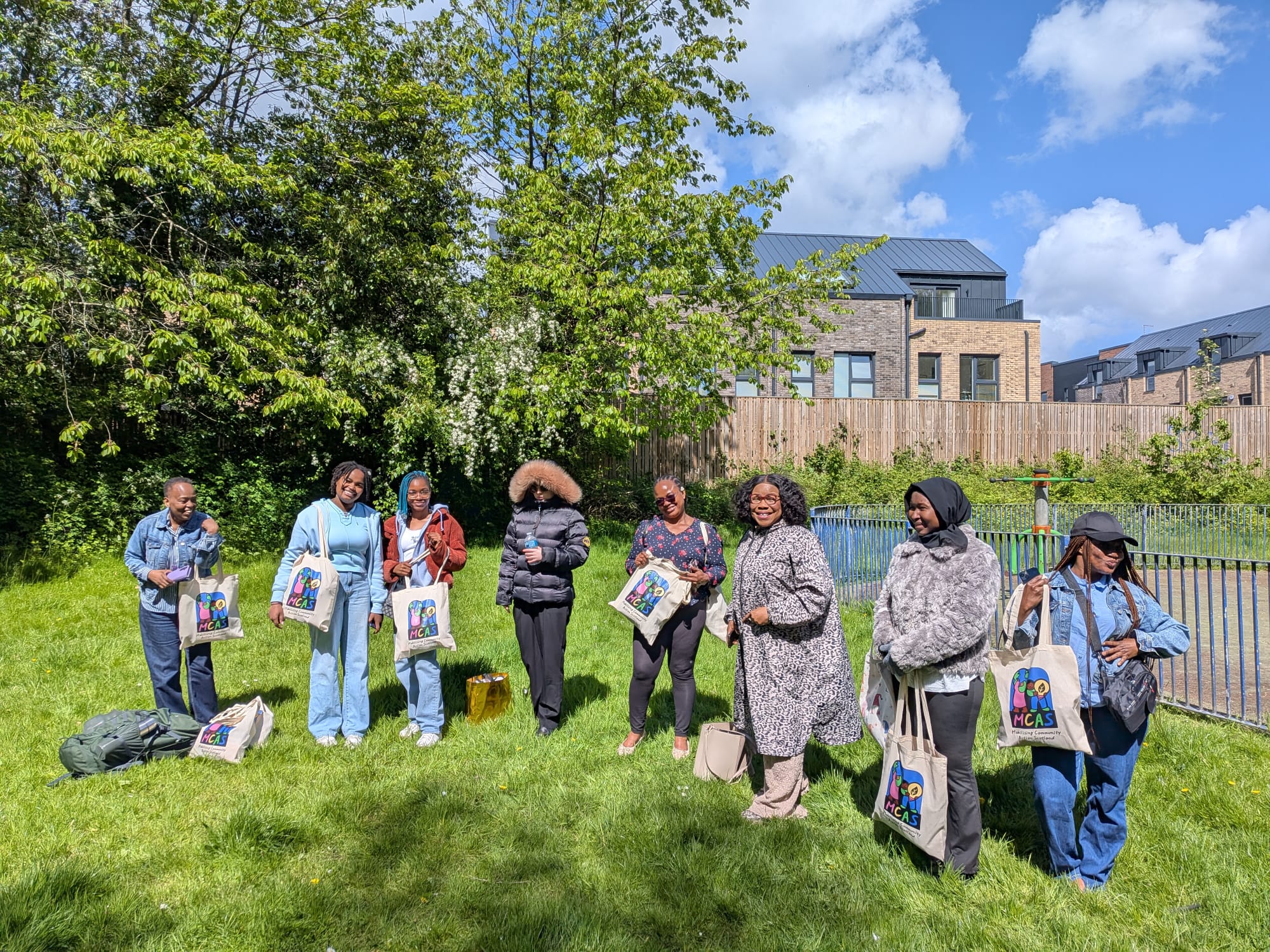
The day started at Glasgow Queen Street Station, where we met attendees before travelling together by bus, arranged through Community Transport Glasgow.
Once we arrived at Whitelee, the group had time to explore the exhibition at the Whitelee Windfarm Visitor Centre. This gave everyone a chance to find out more about renewable energy before heading out on a guided bus tour of the windfarm.
The 40-minute tour covered around four miles of the site and gave attendees a much closer look at the turbines. Our guide explained how wind turbines work, the history of Whitelee and what happens to turbines when they eventually reach the end of their working life.
The group had plenty of questions. At one point, the guide stopped the bus so everyone could have a longer discussion. People wanted to know things such as how long a wind turbine lasts and what happens to turbines once they are taken out of commission.
One part of the conversation that particularly caught people’s attention was the reuse of turbine components. The group heard examples of old turbine blades being repurposed for uses such as bus-stop shelters, which led to a wider conversation about recycling and how materials can have another life rather than simply becoming waste.
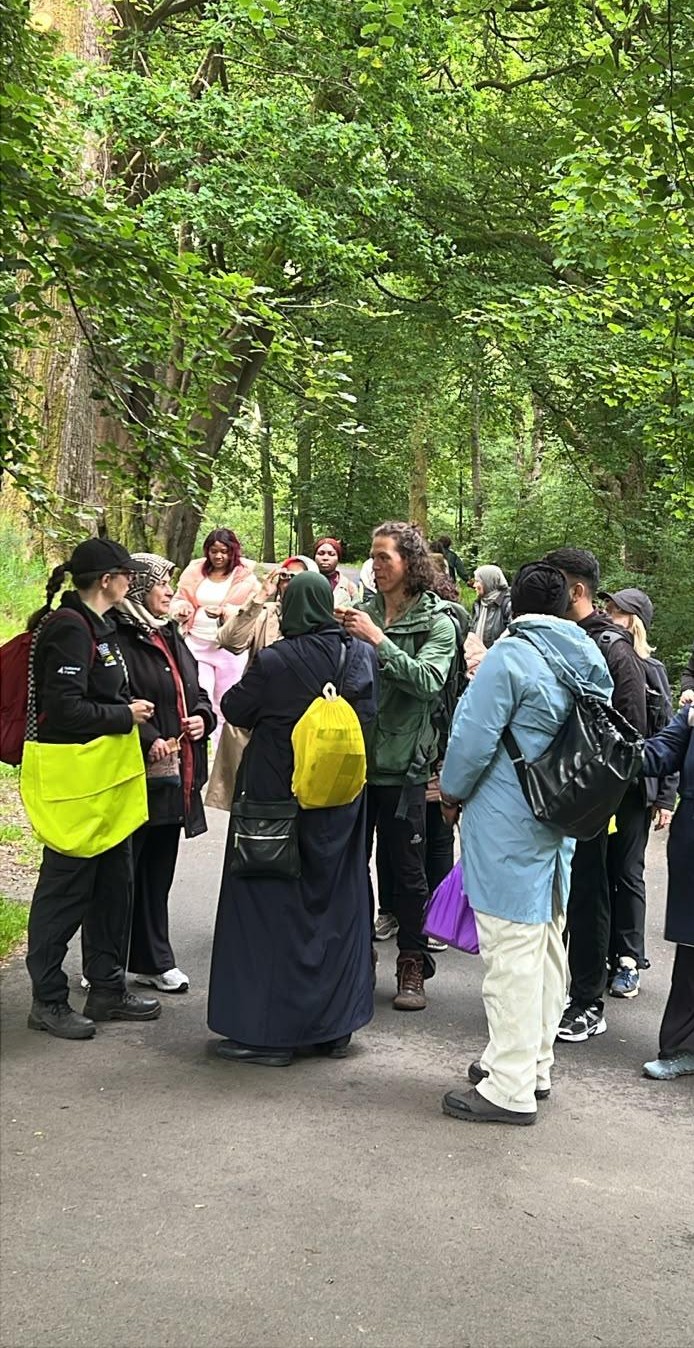
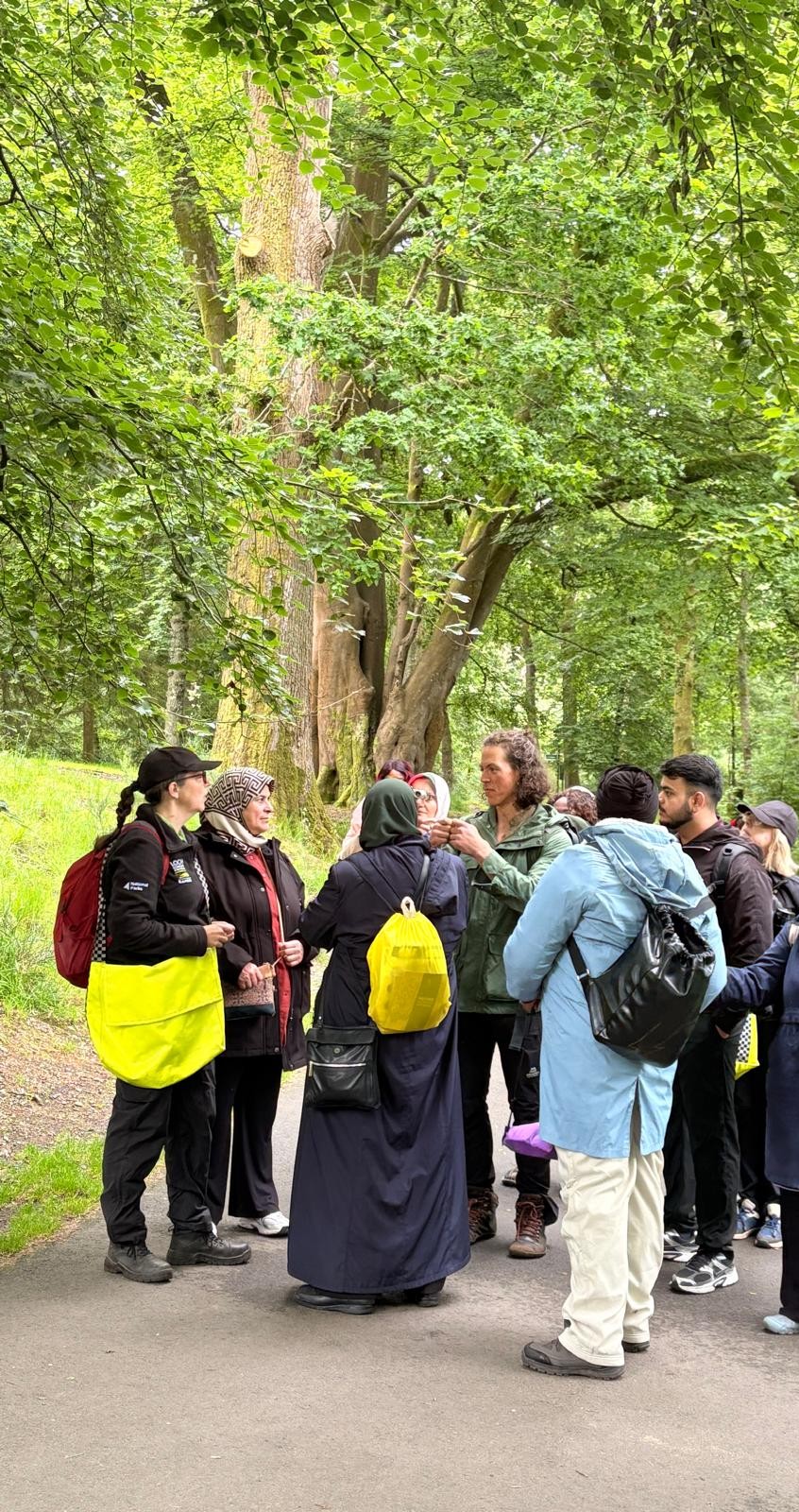
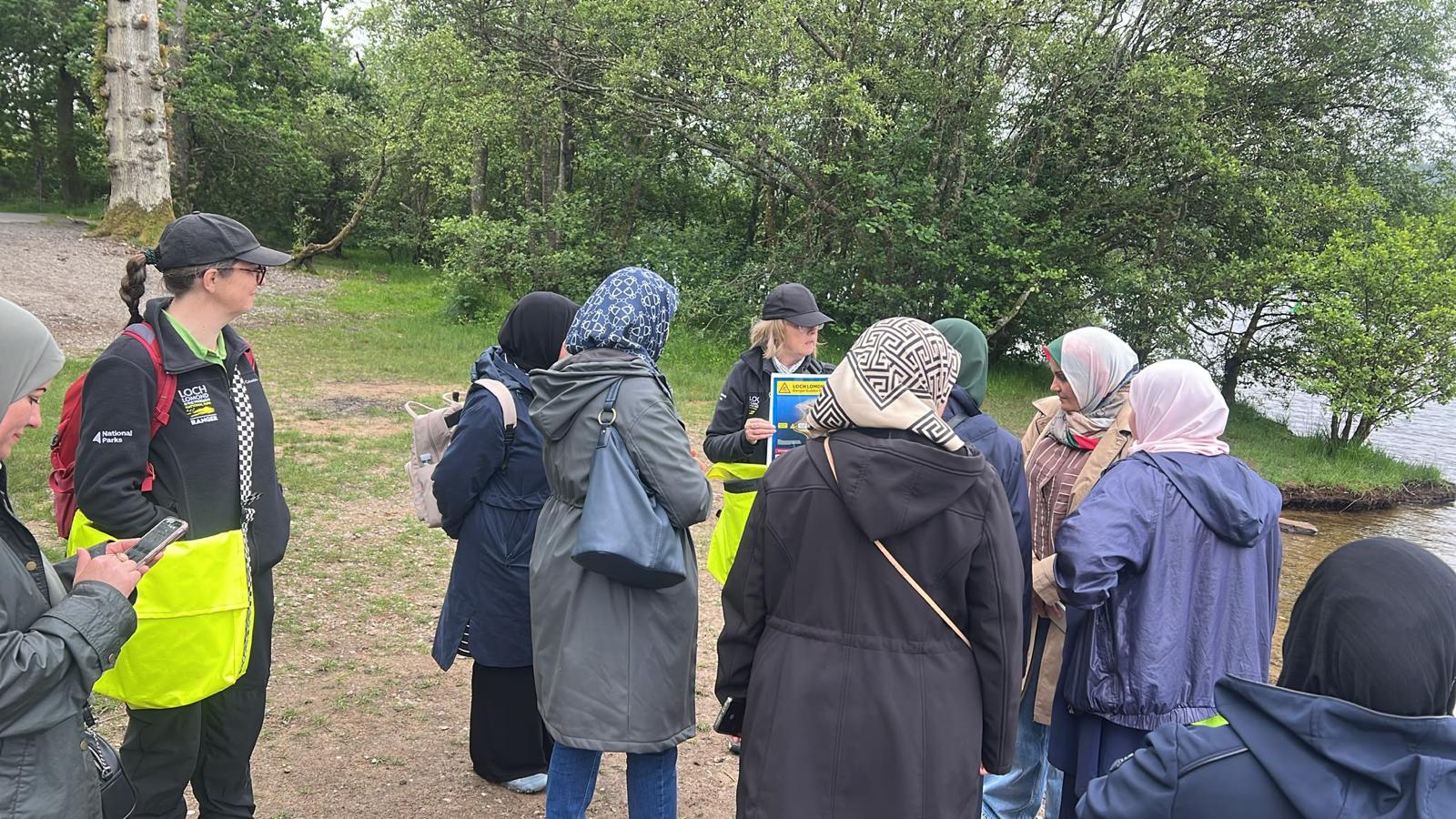
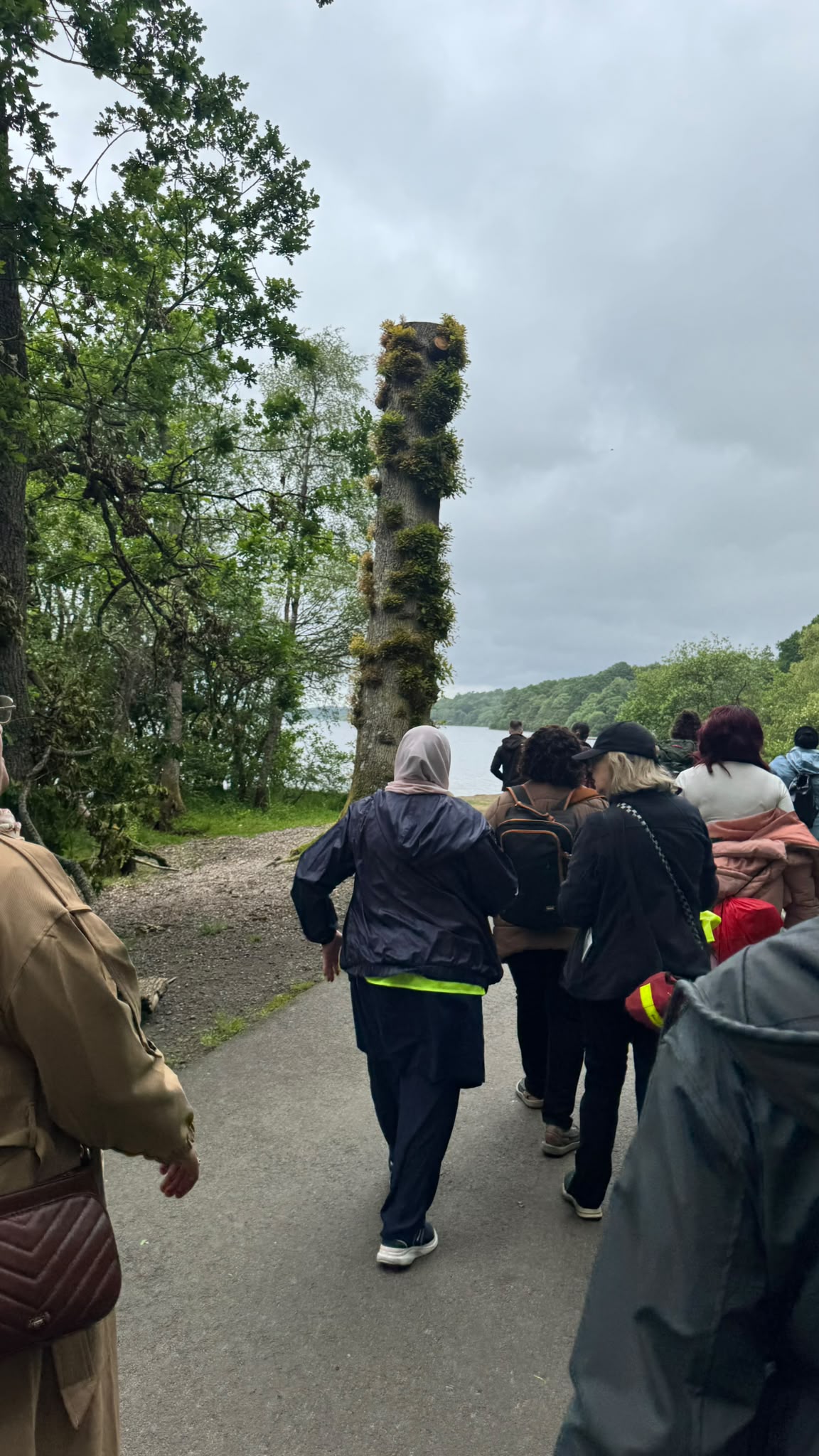
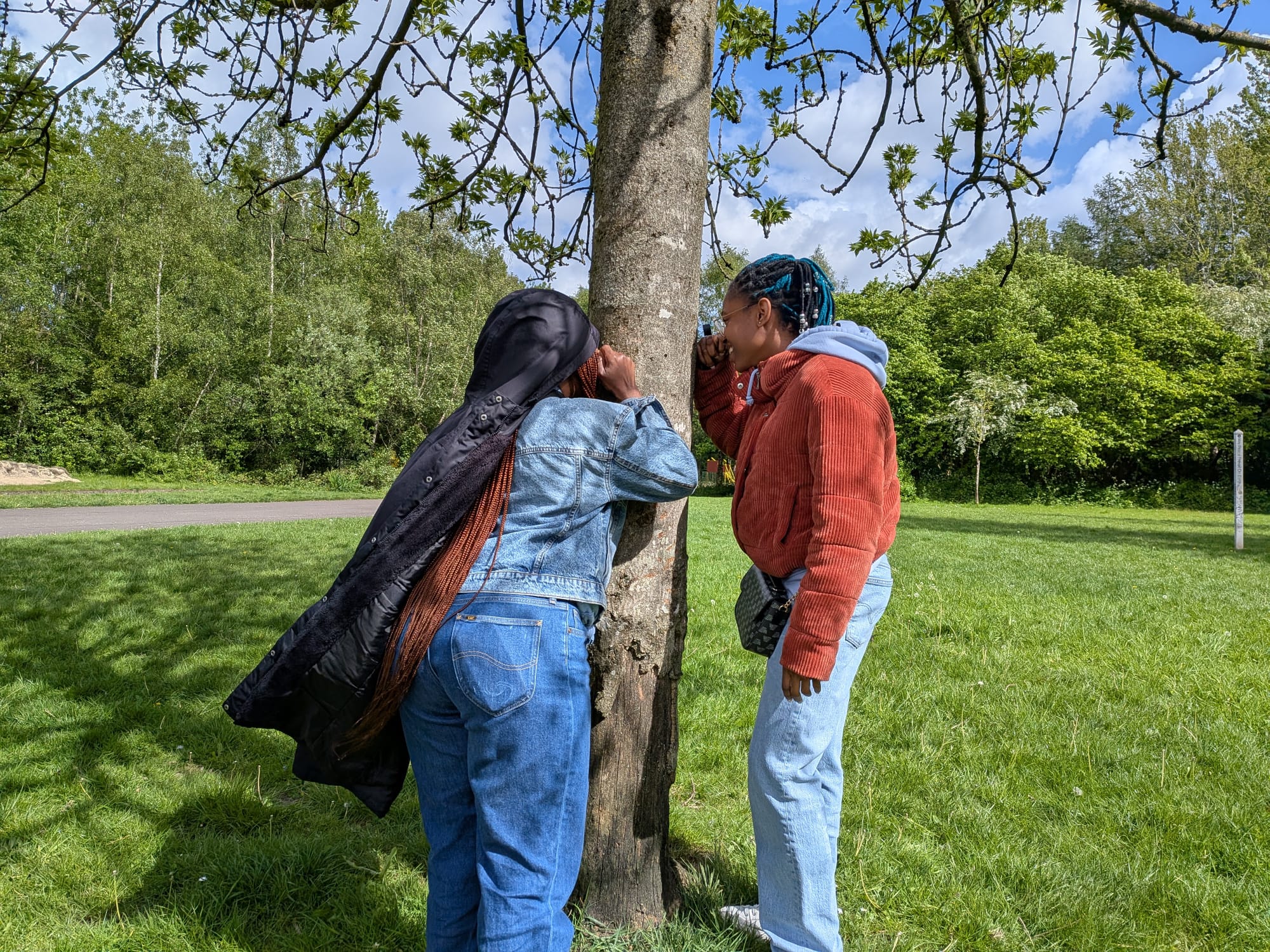
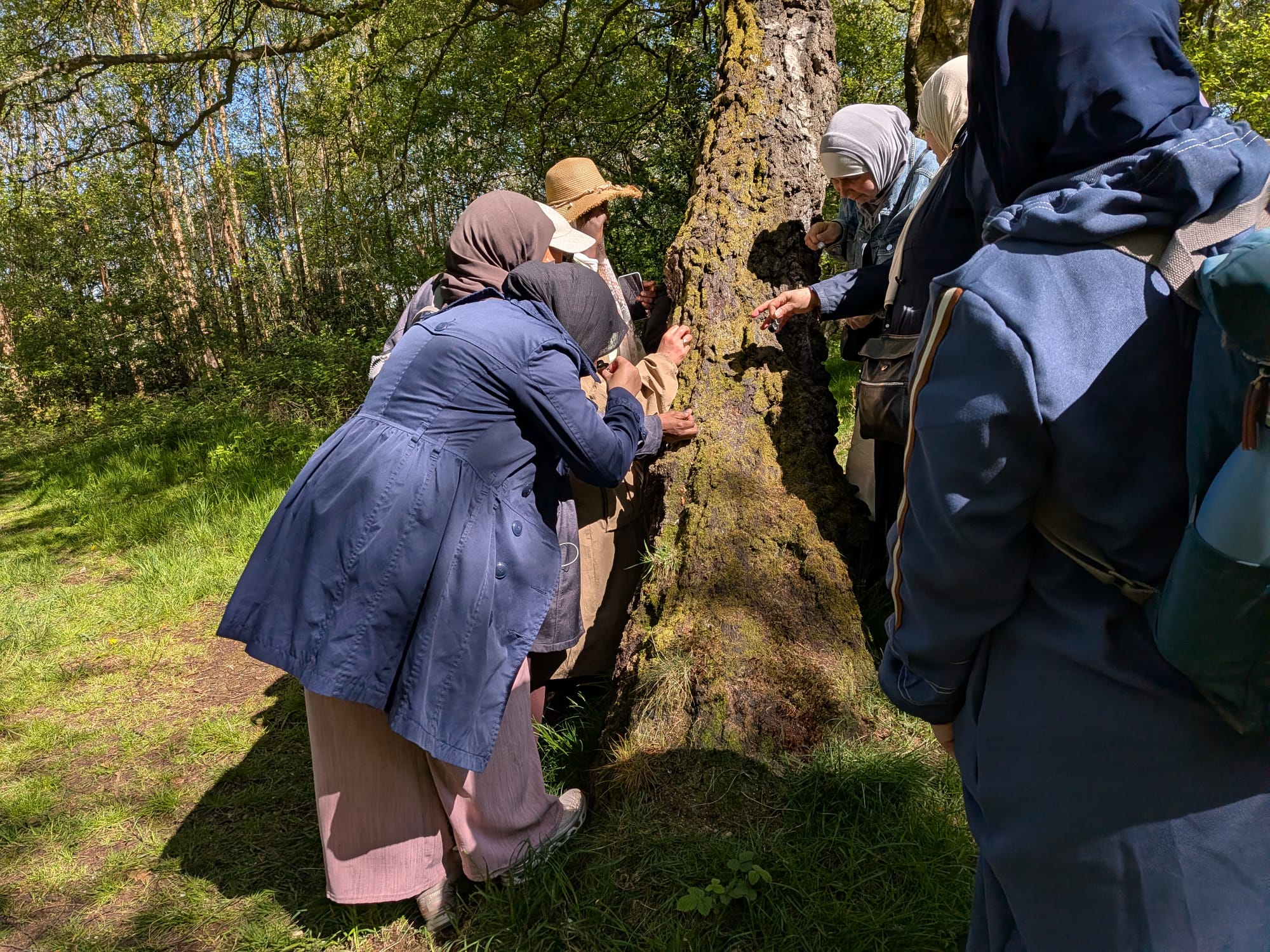
After the tour, everyone sat down together for a halal lunch provided by Afro-fusion Cuisine. The afternoon then moved from energy to nature, with a nature walk giving attendees time to explore the surroundings and experience a different side of the Whitelee site. The group was given some mindfulness activities to help them notice natural details about the site and then received an introduction to a few plants and their medicinal/cultural uses.
What stood out during the day was how much conversation the experience generated. Rather than learning about renewable energy only through presentations or information sheets, people could see the turbines up close, speak directly with someone who works at the site and ask the questions they were genuinely curious about.
For some, the visit also created a connection with places and experiences beyond Scotland. One attendee told us:
“We will try to get the wind turbine in my city in Yemen.”
Another said:
“I didn't know a place like this exists near Glasgow.”
Others reflected on what they had learned and what they might do afterwards:
“Most useful/interesting part is learning how the wind turbines work during the guided tour and connecting with other people from the community.”
“It made me more aware of renewable energy. I am thinking of learning more about green technology and trying to reduce my energy consumption at home.”
“I will research more about the wind turbine.”
The social side of the day mattered too. One attendee described the trip as:
“A wonderful opportunity to learn and meet new people from the community.”
They also thanked the MCAS team for creating a welcoming environment and making practical arrangements such as halal food part of the day.
Another participant simply told us:
“I just want to say thank you for everything.”
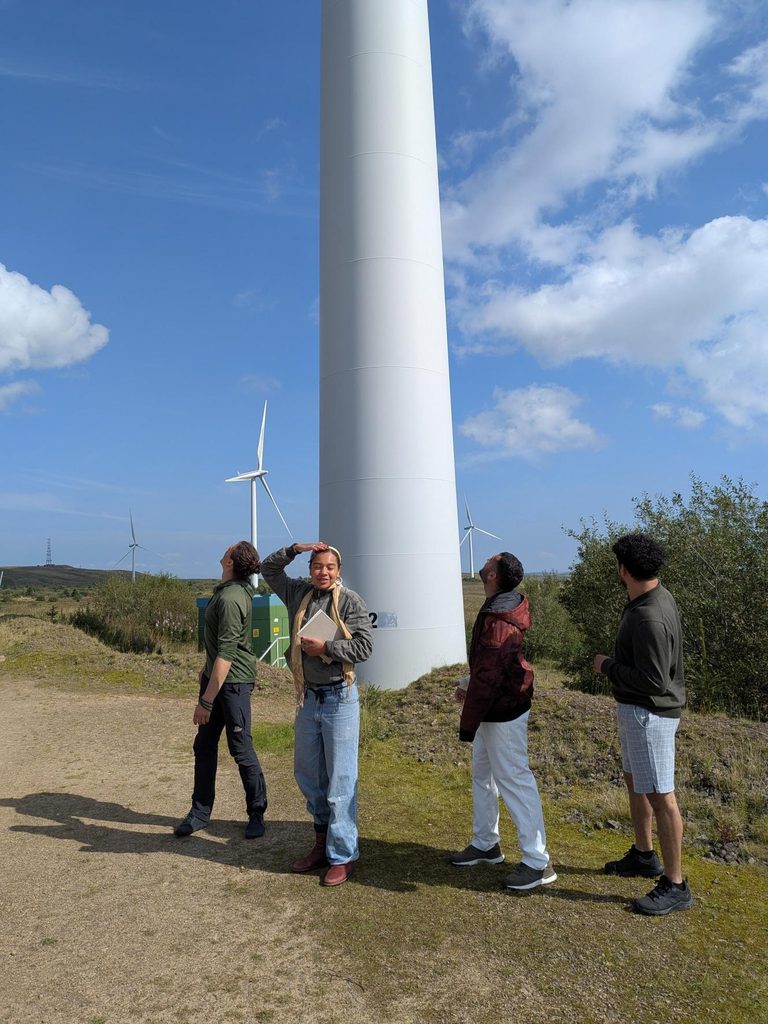
For MCAS, this first combined immersive learning trip was an opportunity to connect two subjects that are often discussed separately. Renewable energy, the way we use resources and our relationship with the natural environment are closely linked. Experiencing those connections in a place like Whitelee gave attendees space to explore them through questions, conversations and first-hand experience.
It was a useful first step in testing what combined Energy and Nature Connection immersive learning can look like, and, judging by the questions that continued throughout the day, it gave people plenty to think about afterwards.